Showing posts with label fish. Show all posts

Sunday, July 22, 2012

Eat Fish = Brain Happy


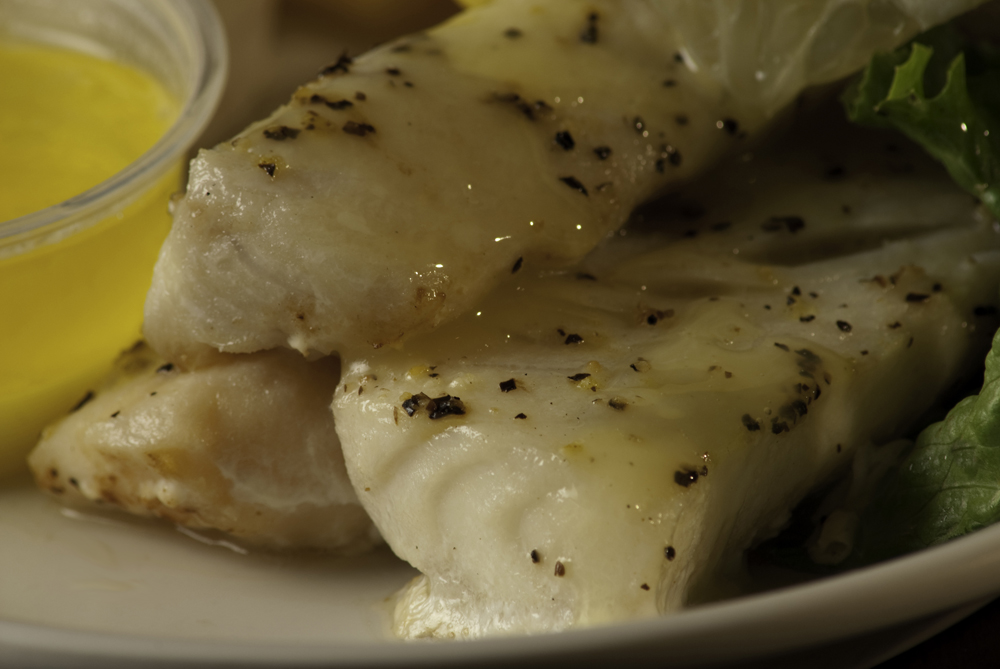
Research finds that people who eat baked or broiled - but not fried - fish at least once a week preserved more grey matter in brain areas at risk for Alzheimer's disease and also exhibited higher levels of working memory capacity.

Thursday, April 7, 2011

Judgmental Fish


Research shows that nine-spined stickleback fish learned by watching other fish find food.

Of 275 fish, researchers gave some access to a feeder with worms and others a feeder with nothing. Next, the fish watched other fish eat, but the feeders were switched. The sticklebacks learned through experience that feeder A gave more worms, but through observation they saw feeder B was better. When going back for seconds, they relied on social cues, not their own experiences, and chose feeder B.

While we know animals learn from one another, this finding demonstrates humans are not the only living creatures capable of making judgment calls. To selectively follow such cues demonstrates sophisticated social learning.
Monday, January 24, 2011

Democratic Fish


Research shows that schools of stickleback fish considering the preferences of their peers before choosing a leader. In the study, as the fish population grew, more and more fish selected the fitter candidate - indicating a beneficial feedback mechanism. The phenomenon conforms with the quorum-response rule where a few individuals differentiate between 2 candidates and take the lead in selecting a leader. The rest of the group waits for a threshold number of fish to make a particular decision. The threshold, and accuracy, increases with group size.

Wednesday, August 12, 2009

Clear Head


It may seem to be something out of a science fiction movie, but the Pacific barreleye fish, and its transparent head, is 100% real.

It's transparent dome allows the barreleye to see a broader range of its surroundings. The dome, bringing in even more light, compensates for the barreleye's lack of cone cells, which help an animal see in well lit areas. Aside from the dome, the barreleye also has an exceptionally high level of rod cells, which help animals see in poorly lit areas. The dome also protects protects the fish's eyes from stinging cells of siphonophores, whose food it steals.

Here's the first ever video of a living barreleye.