Dubbed "glacial armoring," researchers discovered that the coldest glaciers protect mountains, allowing them to grow taller (*note: glaciers normally cause the erosion of mountains). Studying the Andes mountains, they found that the northern and warmer area eroded much faster in comparison with the southern and colder area. This is because colder glaciers don’t move much, thereby sealing the mountains and preventing erosion.
Showing posts with label heat. Show all posts
Tuesday, December 20, 2011
Coldest Glaciers Help Mountains Grow
Dubbed "glacial armoring," researchers discovered that the coldest glaciers protect mountains, allowing them to grow taller (*note: glaciers normally cause the erosion of mountains). Studying the Andes mountains, they found that the northern and warmer area eroded much faster in comparison with the southern and colder area. This is because colder glaciers don’t move much, thereby sealing the mountains and preventing erosion.
Monday, May 16, 2011
Planck's Law Breaks Down
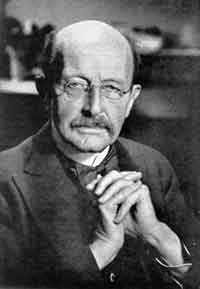
In 1900 Max Planck described how energy dissipates from any nonreflective object. But Planck said if something else is really, really close to the object, the law might break down. Research reveals that heat transfer rules from a nonreflective object (Planck's blackbody radiation law) break down if the object is brought close enough to another object, but not touching.
Researchers placed flat plates a 10 billionths of a meter apart and radiation flow was 1,000 times greater than Planck’s law predicts. The findings have implications for computer storage and solar energy devices which become less efficient because of heat buildup.
Labels:
computer,
heat,
Physics,
Planck's Law,
radiation,
solar energy
Sunday, April 17, 2011
Toucan's Beak
The toucan's bill, 1/3rd its body, has been theorized to attracted mates, peel fruits or for territorial defense. A new report says the beak acts like a radiator since birds don’t sweat. When a toucan needs to cool, its beak heats up. The beak's surface area allows heat to quickly dissipate; for example, when a toucan lowers its body temperature in preparation for sleep, it cools 10°C in minutes. When outside temperatures rose, the bill heated up, but the bird’s core body temperature did not.
Monday, January 24, 2011
That Warm Feeling
Researchers gave 41 participants a cup of hot or iced coffee, without being told it was part of the experiment. They were handed a description of an imaginary person and asked to describe that person. Those who held the hot coffee rated the person significantly warmer — friendlier, more generous — than those who held the ice coffee.
Also, 53 volunteers held hot or cold therapeutic pads and then could choose a gift certificate for themselves or a friend. Those who’d held the hot pads were more likely to give the gift certificate to friends.
Labels:
heat,
neuroscience,
psychology,
social behavior,
warmth
Sunday, November 21, 2010
Mexican Jumping Beans
Why do they jump?
Mexican jumping beans house a moth larvae. The moth lays its eggs in the flower of the jumping bean plant, which become part of the seed. While maturing, the larvae moves, causing the bean to "jump." Light and heat can also induce the larva to move, causing the bean to jump.
Here's a video.
Subscribe to:
Comments (Atom)