Monday, October 31, 2011

Science of Motivation


Think money is a legitimate motivator? Only sometimes.

See the video.

Monday, October 24, 2011

Arranged Love Lasting, "Real" Love ... Not so Much


Research found that arranged marriages can surpass love marriages in regards to long-term contentment and love.

For example, a study compared love in love marriages vs. arranged marriages in India. Love in the love marriages starts out very high but decreases over time. In arranged marriages, the love starts out relatively low (people often don't know each other well before marriage) and increases gradually. In fact, it surpasses love marriage love in 5 years. In 10 years, its double.

Obesity & The Last Supper


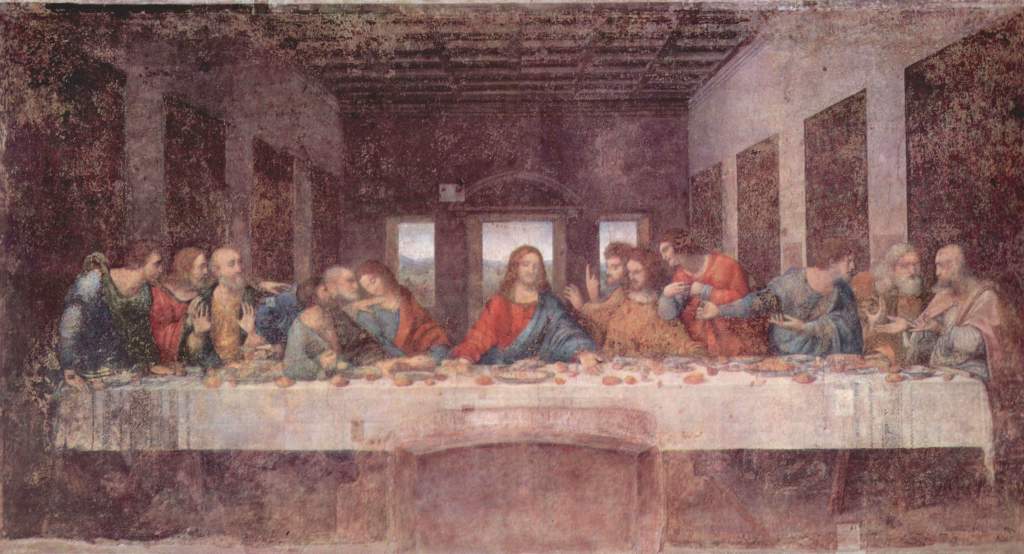
Research finds a trend of painting larger portion sizes in the Last Supper.


Da Vinci​’s painting is the famous but there's 50+ other such paintings of the last 1,000 years. While the apostles' heads are the same and people are thin, the bread was 23% bigger in more modern paintings, the entrees 70% bigger. This means the trend started well before the modern obesity epidemic.

DST Increases Injuries


Research of injury reports from 1983-2006 revealed that unlike other days, the Monday following the change to daylight saving time experienced an increase in work-related injuries. Data found that people sleep ~40 minutes less the Sunday night before DST and the injuries to be more severe.

Altruism Takes Time


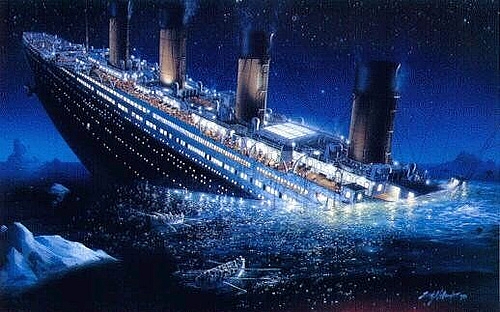
Research of the survival rates of men, woman and children from the Titanic and the Lusitania revealed that more men survived when the ship sunk fast - i.e. time is controlling.

The Titanic took ~3 hours to sink - survivors were mostly female or children. On the Lusitania, which sank in 18 minutes from a German torpedo, survival of the fittest kicked in and healthy young males mostly survived. Panick controlled the Lusitania while planning and chivalry controlled the Titanic's passengers.

Thursday, October 13, 2011

You Are What You Drink (sort of)


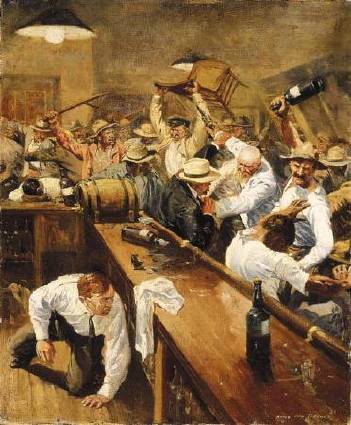
Research argues that it is not entirely true that alcohol sheds inhibitions. High alcohol consumption does impair physical and mental abilities. But alcohol doesn't cause selective recklessness. Instead, it argues that cultural norms affect alcohol's effect on us. In other words, "when people think they are drinking alcohol, they behave according to their cultural beliefs about the behavioral effects of alcohol."

Some societies associate drinking with recklessness (US, UK). But others (Latin, Mediterranean) is morally neutral - like coffee. But the 2nd group has "significantly higher per-capita alcohol consumption" than the 1st group! In experiments, group 1 drinkers were given non-alcoholic "placebos" ... but still shed their inhibitions. So you can get "drunk" of non-alcoholic beer if you think that's what beer is supposed to do. And since alcohol "causes" bad behavior, you're not responsible. Experiments, however, show even when very drunk, if people are given an incentive (financial reward or social approval) they can control themselves.

Want to Learn More? Sleep on It


Research finds that naps help move newly learned information from short-term memory storage in the hippocampus to long-term storage in the cortex. 2 groups of adults went through rigorous memory exercises. The group that took a 90-minute nap performed better than their initial performance while the non-nap group performed worse.